

Best Golf Bags for Walking Golfers in 2026 (Ranked by What Actually Matters)
Most Golf Bag Reviews Are Written for Cart Riders. This One Isn't.
Here's how you can tell the difference: a review written for cart riders will emphasize storage volume, cart strap compatibility, and whether the bag "looks good" when mounted on a cart. It will use weight as a footnote, not a headline.
A review written for walking golfers leads with weight, strap system, hip load distribution, stability when set down on uneven ground, and how the bag interacts with your body across 18 holes and 6 miles of walking.
These are fundamentally different products being used in fundamentally different ways — and most "best golf bag" content doesn't distinguish between them.
This page is for golfers who walk. We'll tell you exactly what matters, what doesn't, and which bags are actually built for how you play.

The Walking Golfer Is a Different Buyer
Walking golf has grown significantly over the past decade. It's no longer the exception - at many courses, walking is the preferred format for serious recreational golfers, club-level competitors, and anyone who plays golf primarily for the experience of playing golf rather than moving between shots as efficiently as possible.
Walking golfers share a specific set of requirements that most bag designs haven't fully addressed:
- Weight matters across 18 holes, not just at the car. A bag that feels fine at the trunk feels very different at hole 14.
- Strap comfort and load distribution are non-negotiable. Single-strap bags concentrate load on one shoulder. Dual-strap bags that aren't properly padded or contoured create back and shoulder fatigue.
- Pocket access needs to work while the bag is on your back. If retrieving a tee, ball, or rangefinder requires fully removing the bag, the pocket system was designed for carts.
- Stability when set down matters constantly. A bag that tips over on an uneven fairway or doesn't stand reliably on a slope forces you to manage it instead of your game.
- Durability compounds with miles. A walker puts significantly more wear cycles on a bag than a cart rider. The bag needs to be built for it.
With those criteria established, here's how to evaluate any walking golf bag - and which ones are actually worth buying in 2026.
The 5 Things That Actually Matter in a Walking Golf Bag
1. Weight (But Not in the Way You Think)
Raw weight matters — but the relationship between weight and durability is where most bags fail the walking golfer. Many lightweight bags achieve low weight by thinning their materials, reducing padding, or simplifying construction in ways that accelerate wear. The bag that weighs 3.5 lbs on day one might be structurally compromised by year two.
The right frame for walking golfers isn't "how light can I go" — it's "what's the lightest bag I can buy that will still be performing at the same level in five years?"
This is exactly the problem MNML GOLF engineered around: 100% recycled, performance-grade materials that achieve genuine light weight without sacrificing structural integrity.
What to look for: Weight under 4.5 lbs for a stand bag. Construction that explains how that weight was achieved, not just that it was.

2. Strap System and Load Distribution
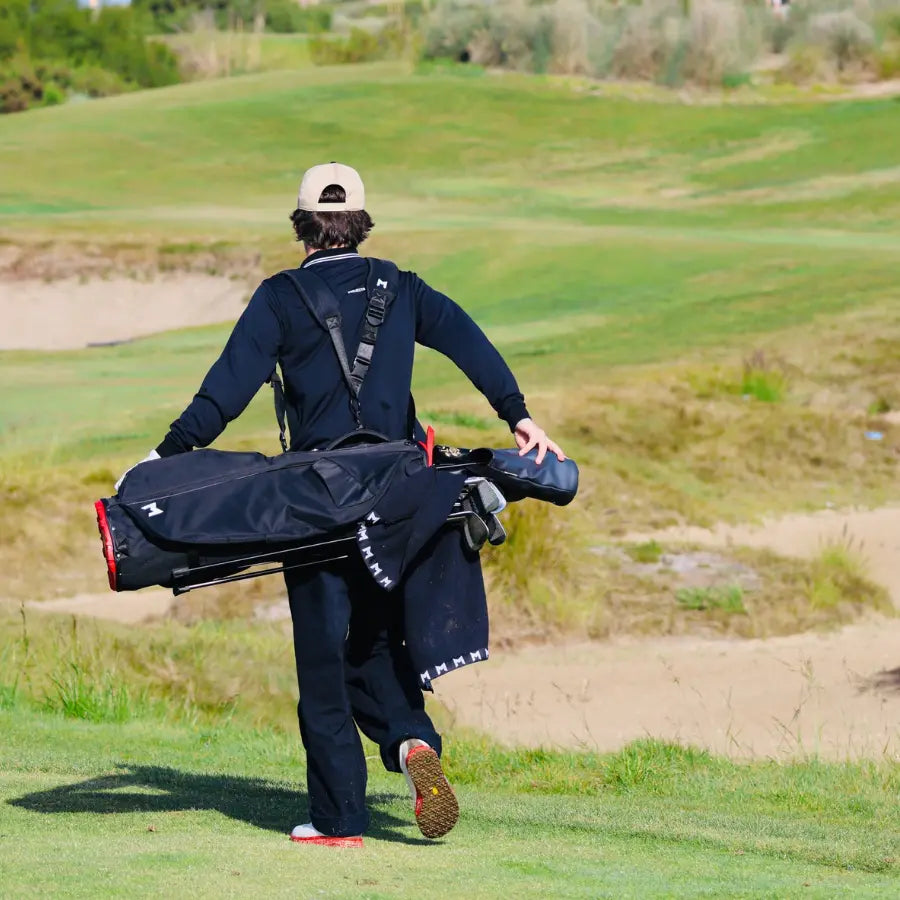
The strap system on a walking golf bag is the single biggest quality-of-life variable over 18 holes. Poor straps cause shoulder fatigue, back tension, and the kind of physical irritation that makes you rush shots you should be taking time on.
A proper walking bag strap system should:
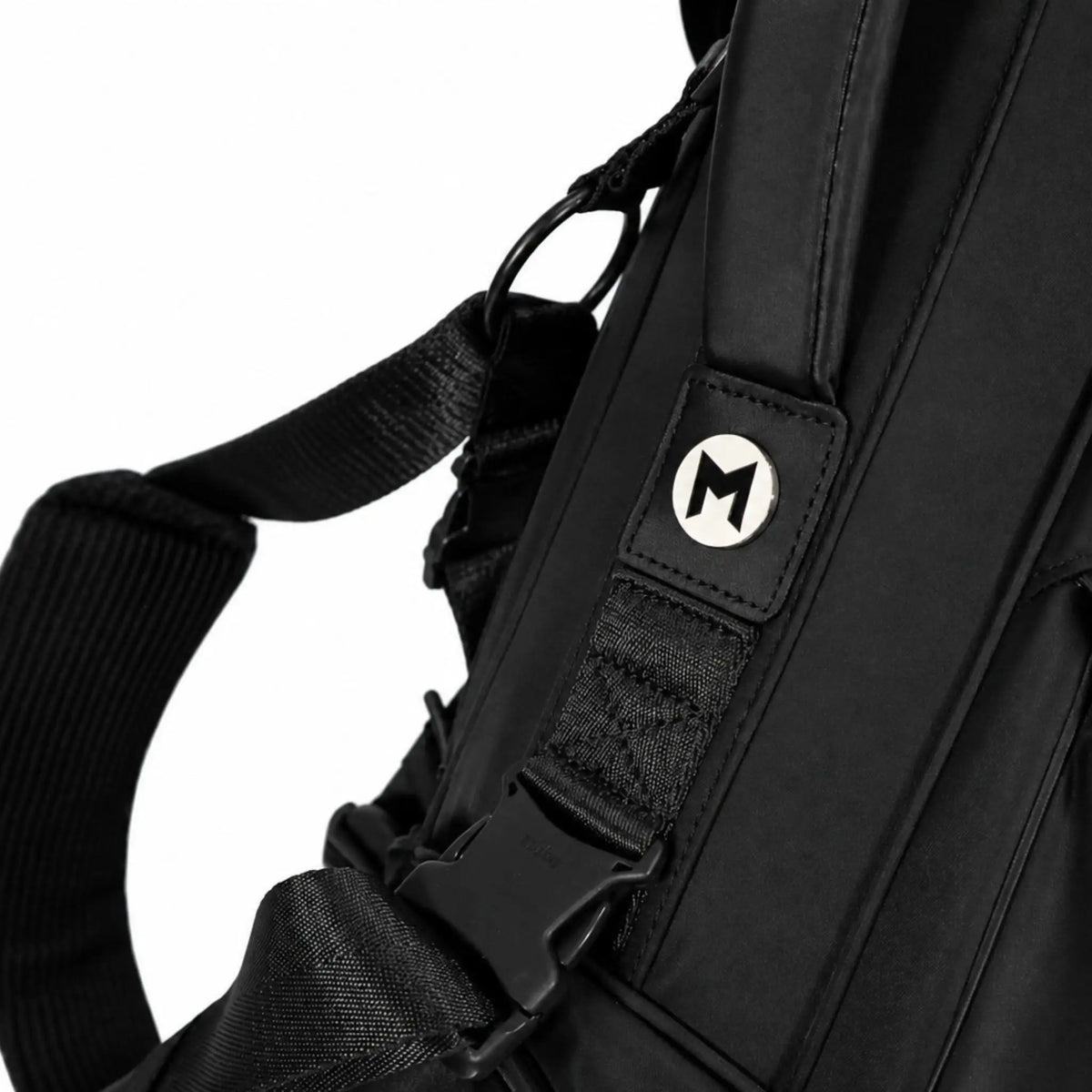
- Be dual-strap (not single) for even load distribution
- Have meaningful padding at the shoulder contact points
- Allow adjustment for torso length
- Ideally, offer hip-load transfer to take weight off the shoulders
Surprisingly, many bags marketed to walkers fail at one or more of these. Single-strap designs are still common. Strap padding is often ornamental. Hip straps, where they exist, are often too narrow to actually transfer load meaningfully.
What to look for: True dual-strap design, padded shoulder contact, hip strap with real width. Test by loading the bag fully and walking - not just trying it on at the shop.
3. Pocket Accessibility While Wearing
A walking golfer accesses their bag dozens of times per round: ball pocket, tee pocket, rangefinder, glove, snacks, rain gear, phone. Every one of those interactions should be possible without removing the bag.
This is where conventional pocket design, including zippers, creates friction. Zipper pulls are difficult to find and operate with one hand, behind your back, while walking. They require two-handed operation. They slow you down, and they degrade over time.
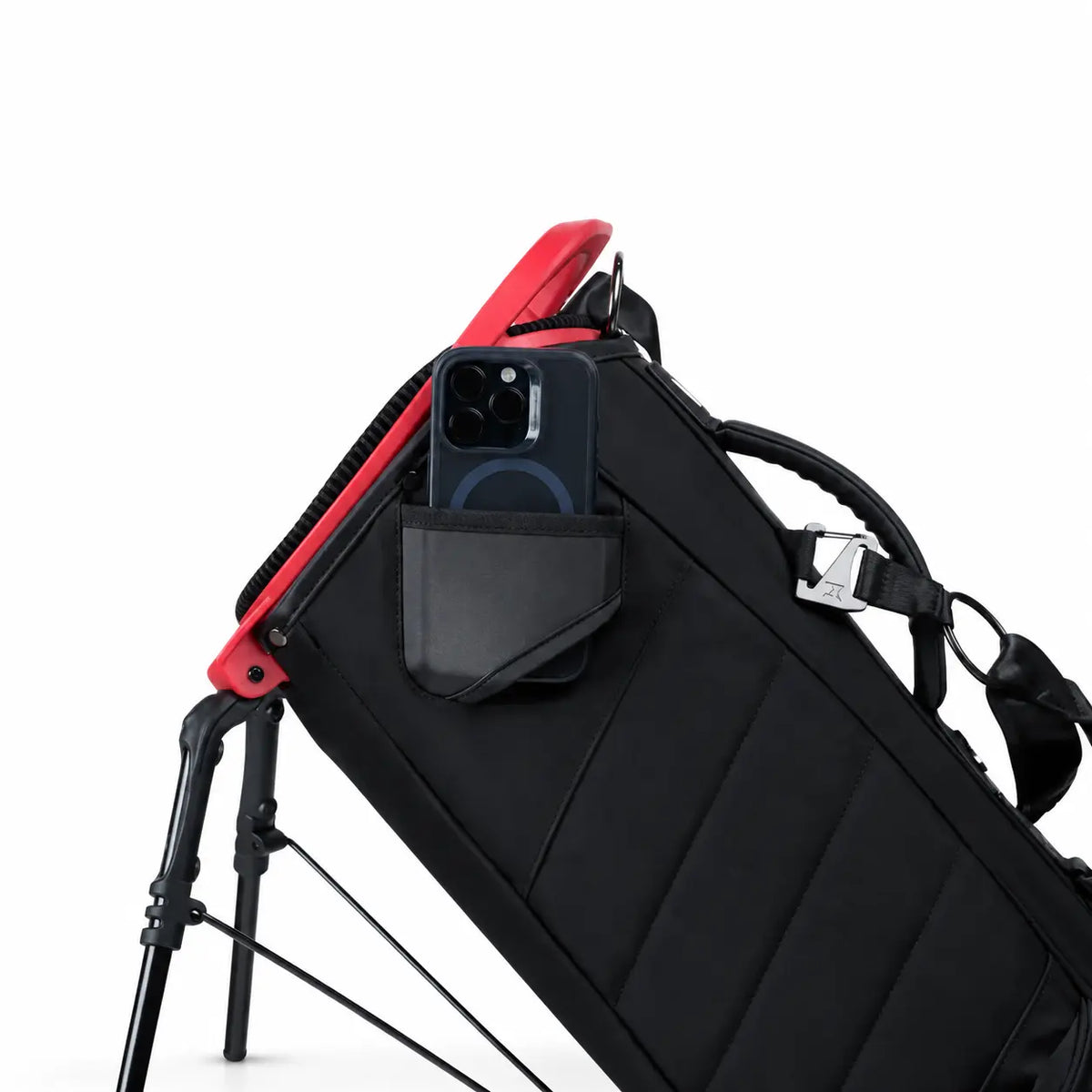
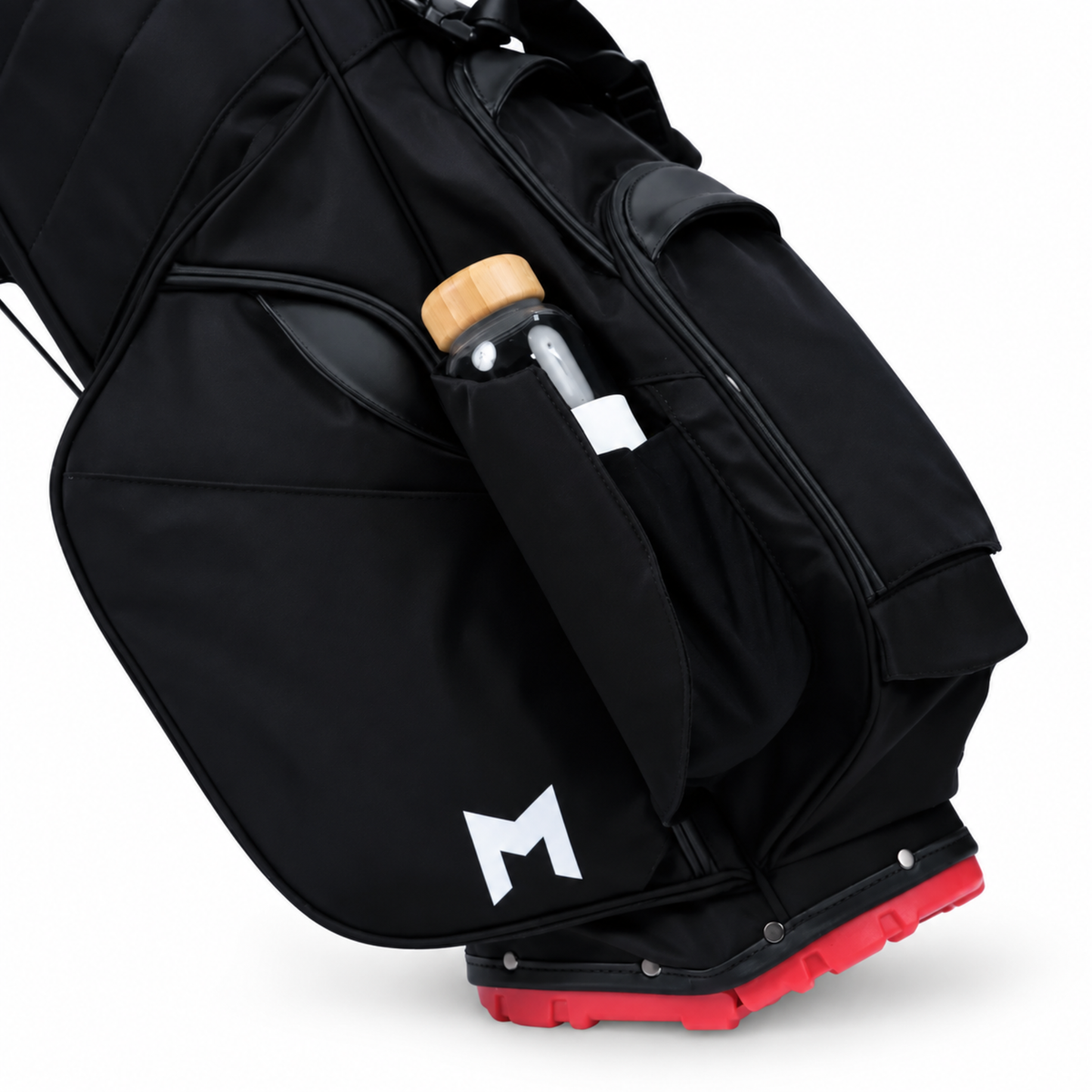
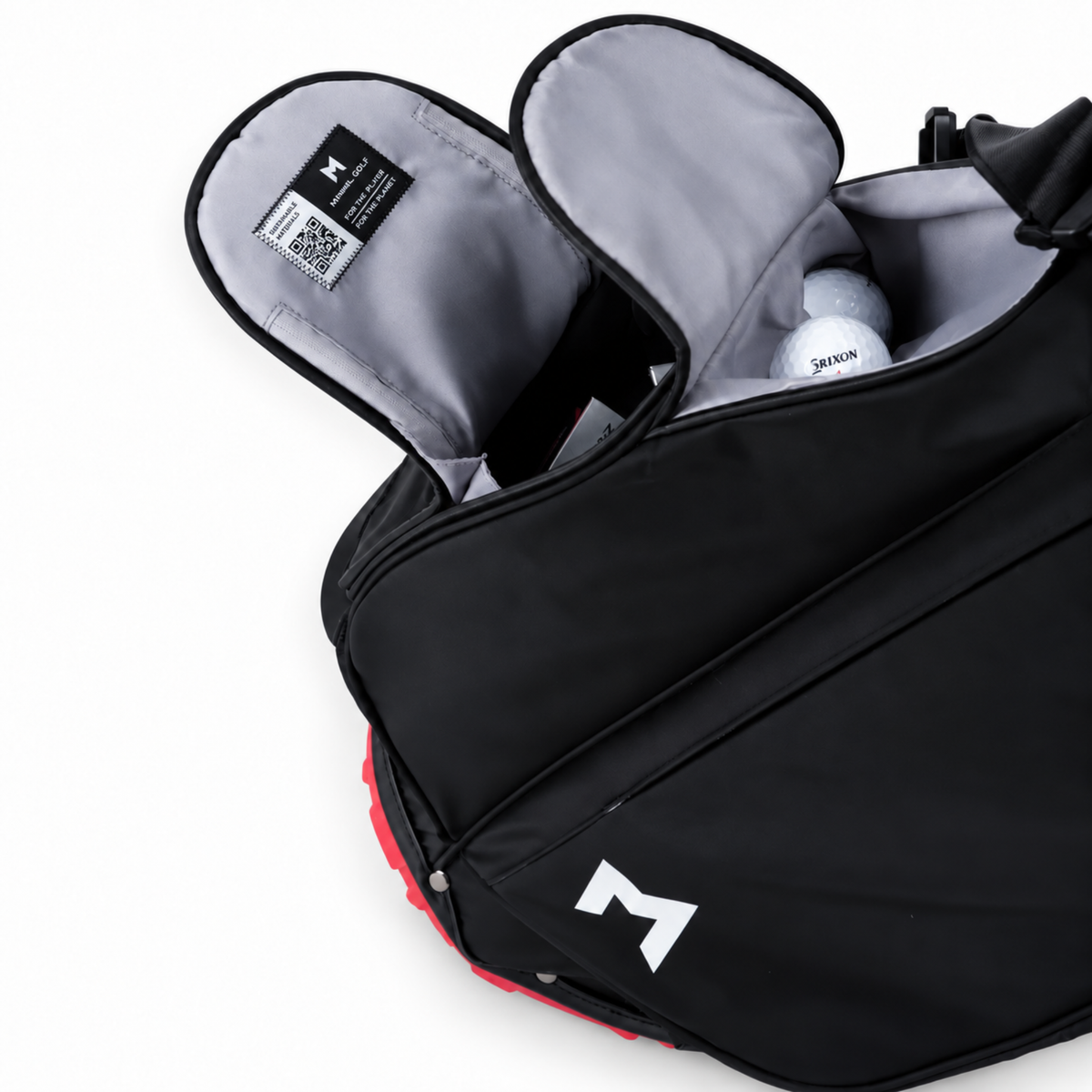
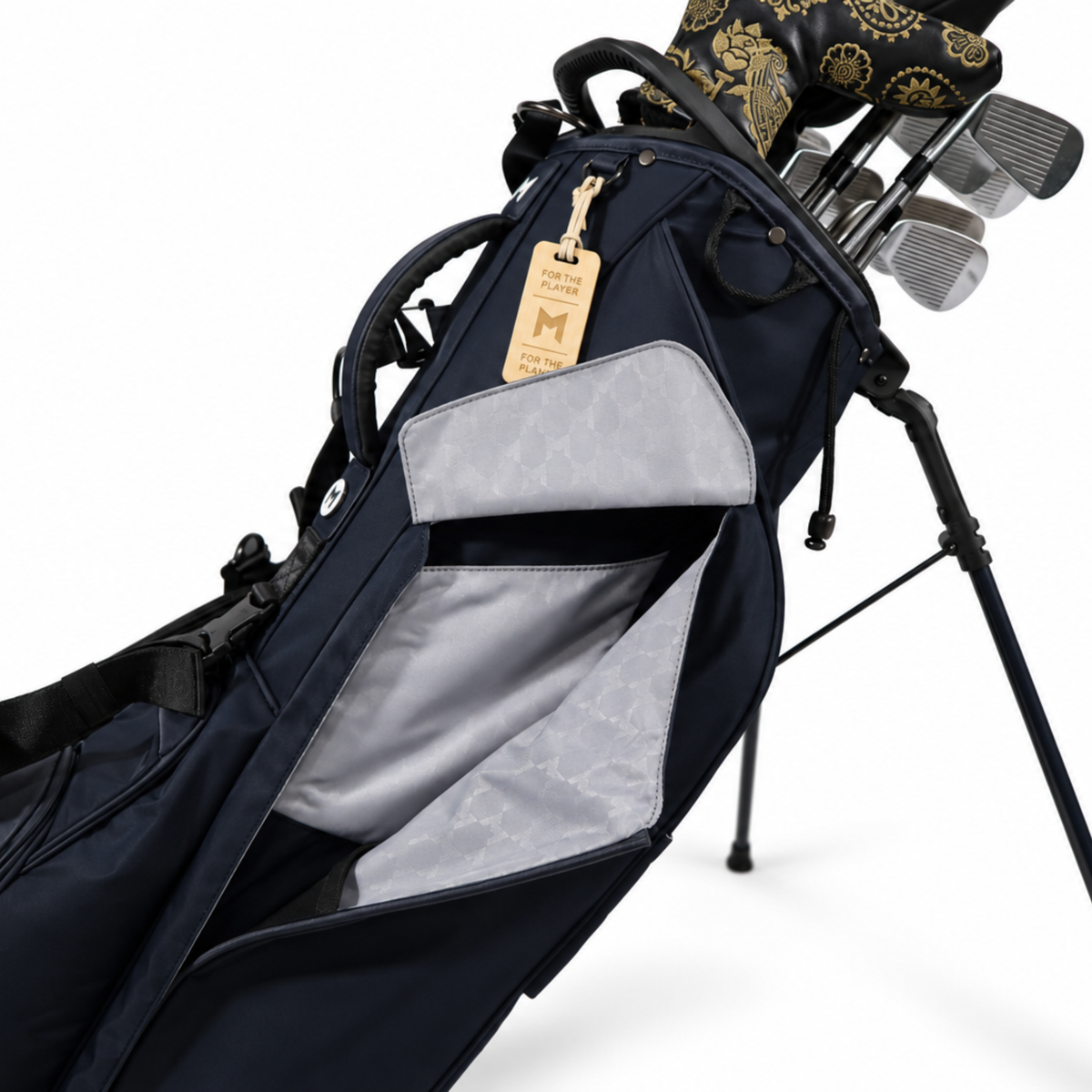
MNML GOLF's magnetic pocket system was designed explicitly to address this. Magnetic closures open and close with a single motion - no pull tab to locate, no track to align, no friction to overcome. For a walking golfer who opens their ball pocket 60 times per round, that difference is significant across a season.
What to look for: Front-facing pockets positioned for standing access. Closure systems that operate with one hand. The ball pocket should never require you to set the bag down to open it.
4. Stand Leg System and Ground Stability
Golf courses are not flat. Fairways slope, rough is uneven, tee boxes have grade changes, and greens are surrounded by terrain that will send an unstable bag sideways.
Stand bags with poorly engineered leg systems tip constantly. This creates the frustrating experience of arriving at your ball only to find your bag already on its side - and spending time setting it back up before every shot.
A well-designed stand system should deploy automatically and reliably, make contact with the ground at an angle that creates genuine stability, and hold that position on moderate slopes without intervention.
What to look for: Dual-leg (not single) stand with a wide contact footprint. Automatic deployment. Test on sloped ground before committing to the purchase.
5. Durability Over Time (The Walking Golfer's Hidden Cost)
Cart riders may play 50 rounds with a bag over two years and consider themselves frequent golfers. A serious walking golfer might log 150 rounds in the same period - each one putting three to four times the physical stress on the bag that a cart bag experiences.
This means the walking golfer's cost-of-bag calculation should include the replacement cycle, not just the purchase price. A $200 bag that fails after two seasons of walking is more expensive than a $400 bag that lasts a decade.
MNML GOLF's durability case rests on two pillars: the material quality of the bag itself (100% recycled, performance-engineered) and the magnetic pocket system that eliminates the most common failure point across all golf bags. A bag with no zippers to fail is a bag with one less reason to replace it.
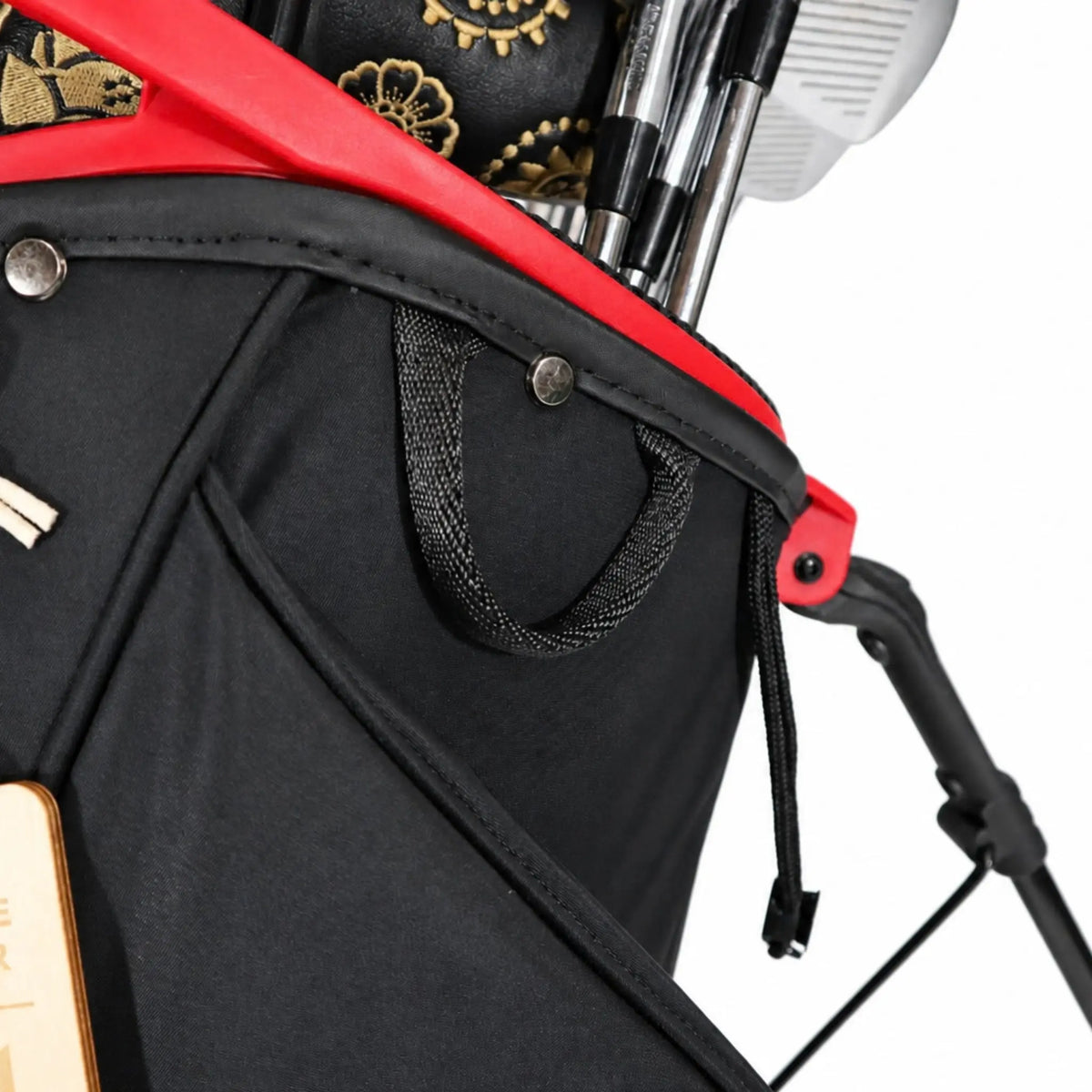
What to look for: Transparent material specifications. Reinforced base and leg attachment points. A pocket system with no mechanical failure modes.

The Best Golf Bags for Walking Golfers in 2026
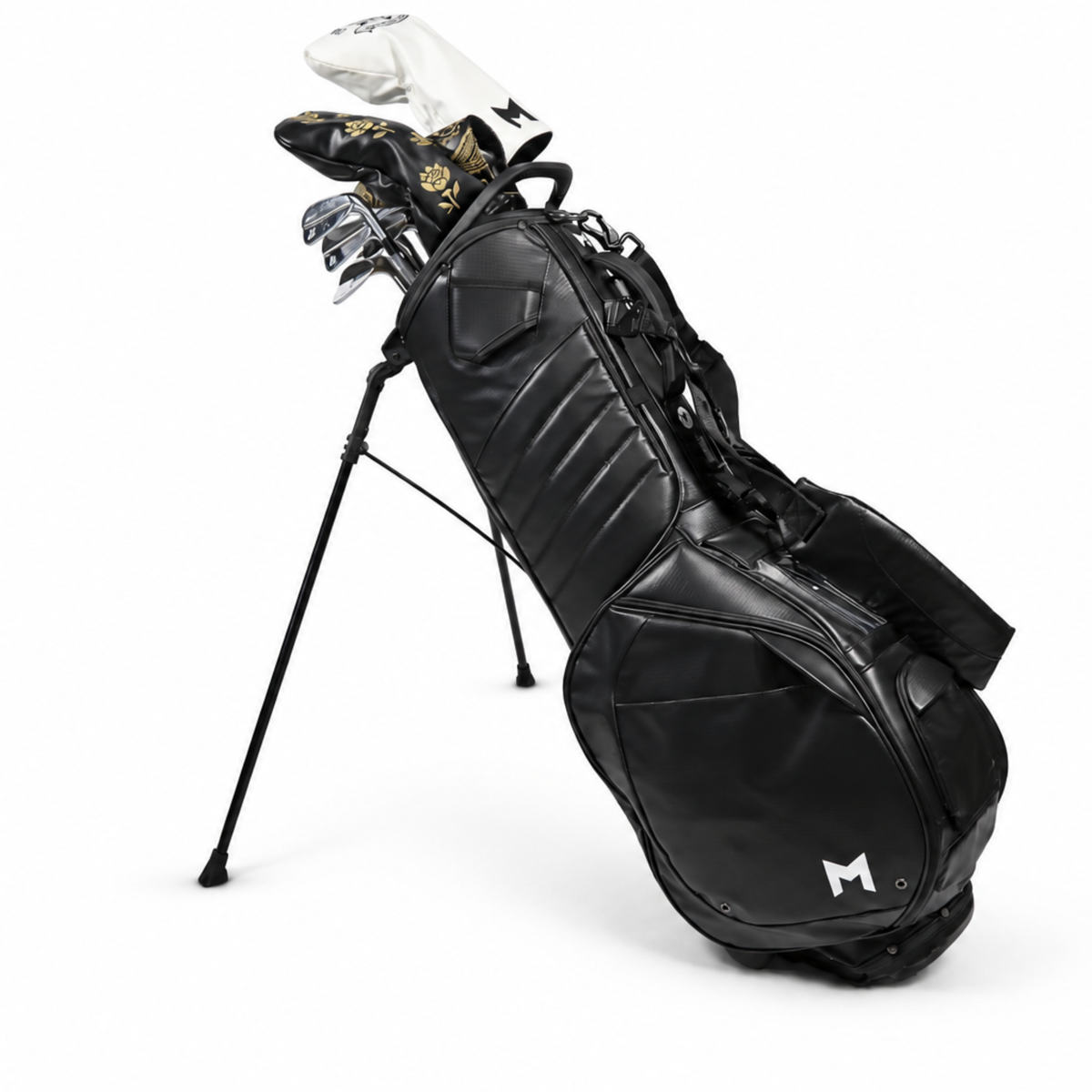
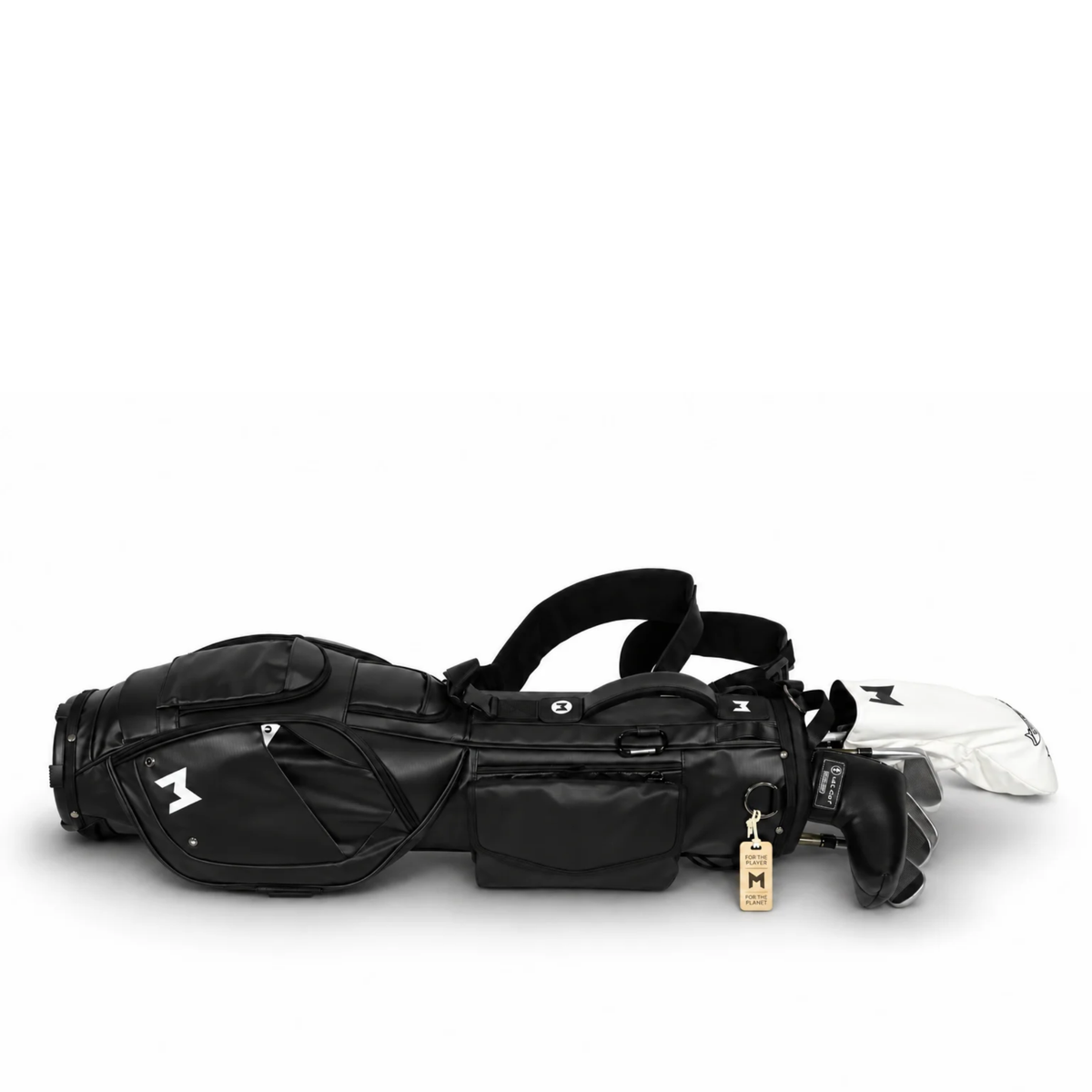
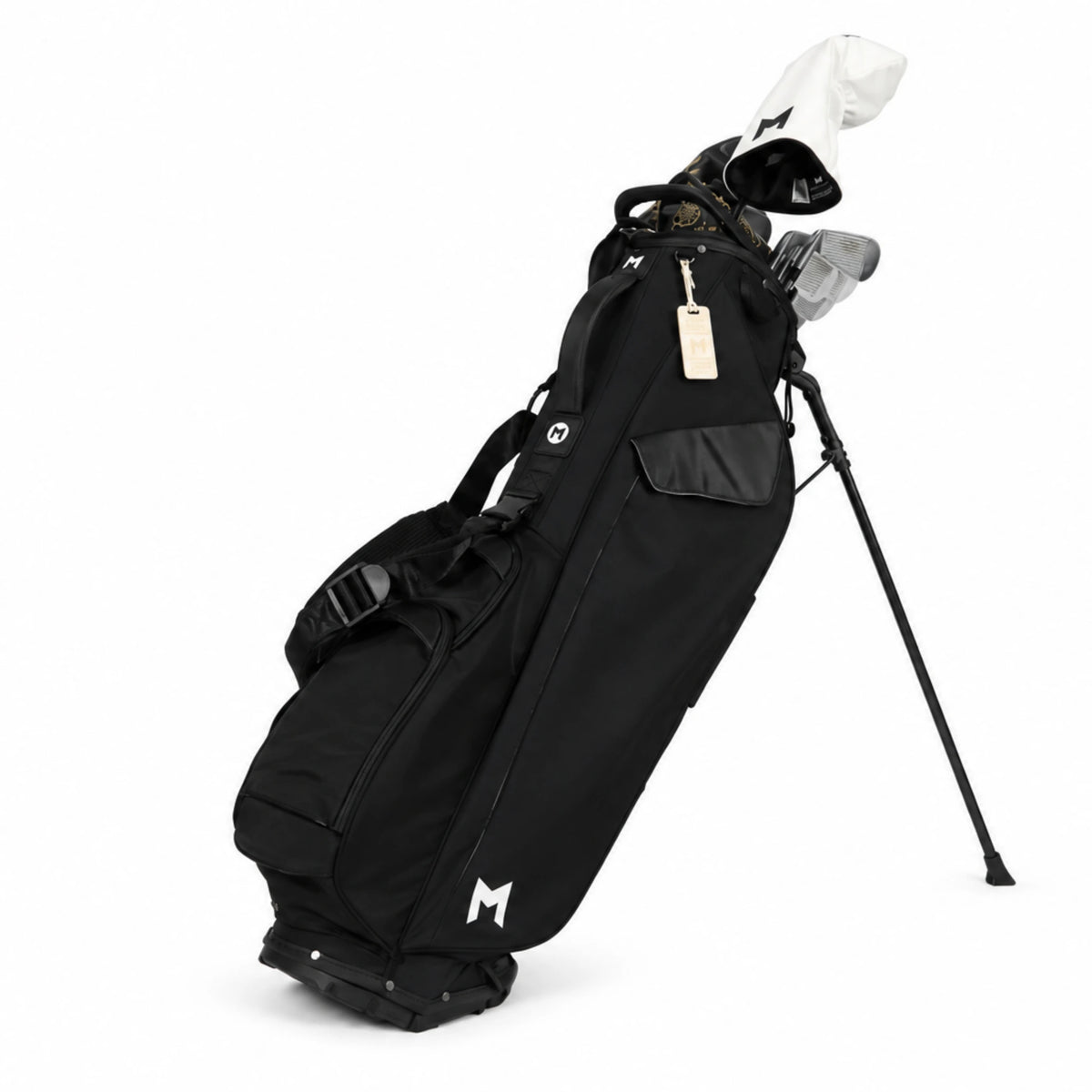
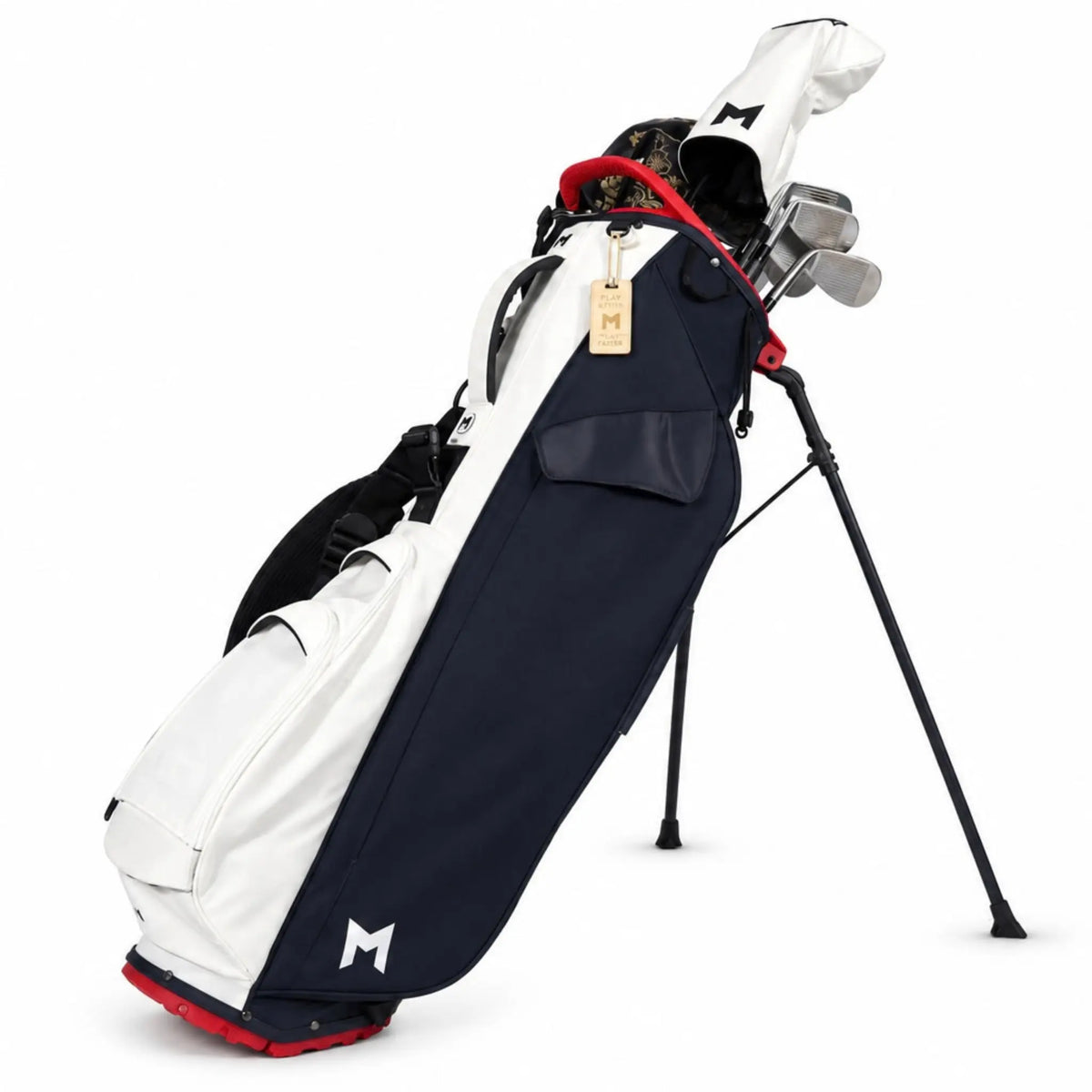
🥇 MNML GOLF — Best Overall Walking Golf Bag
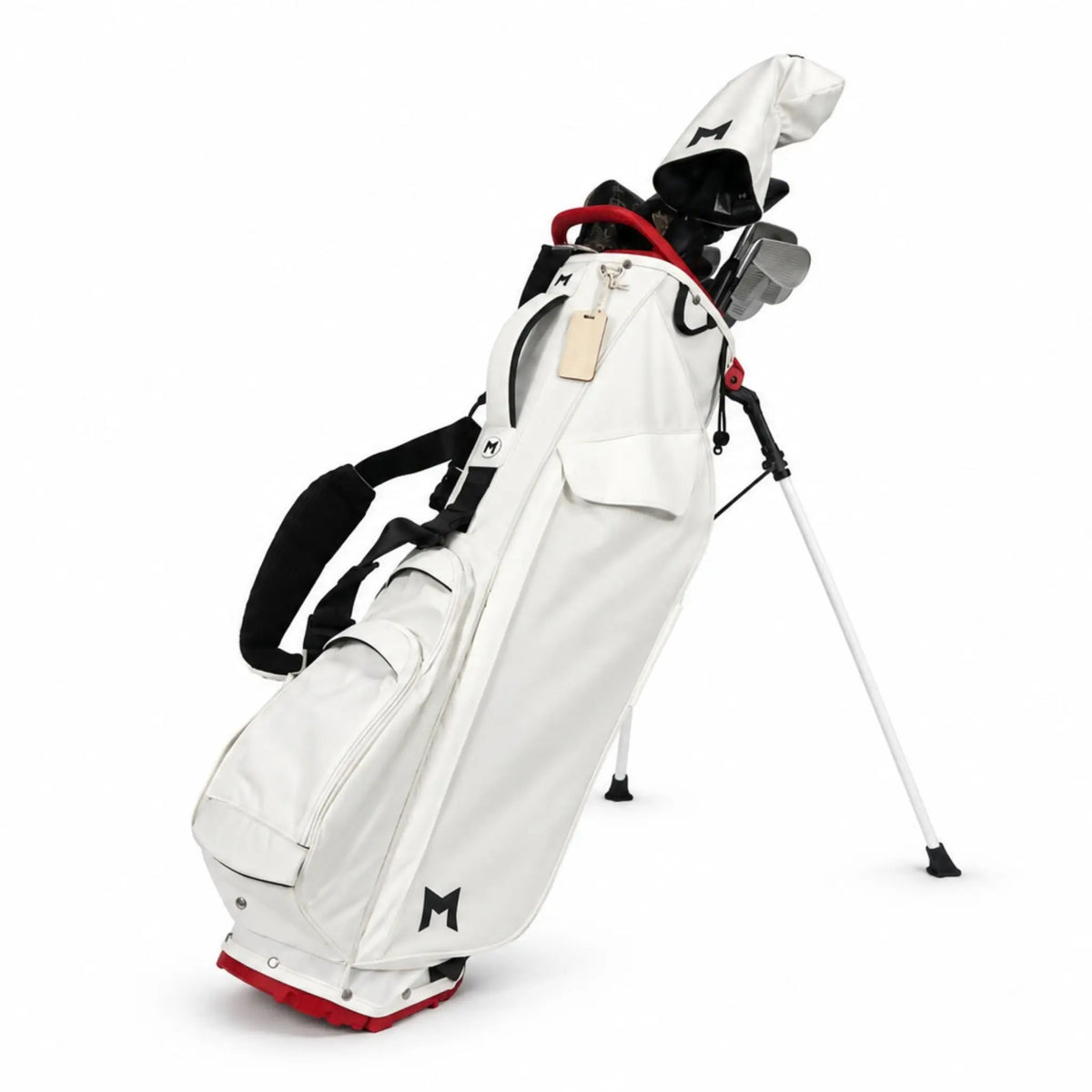
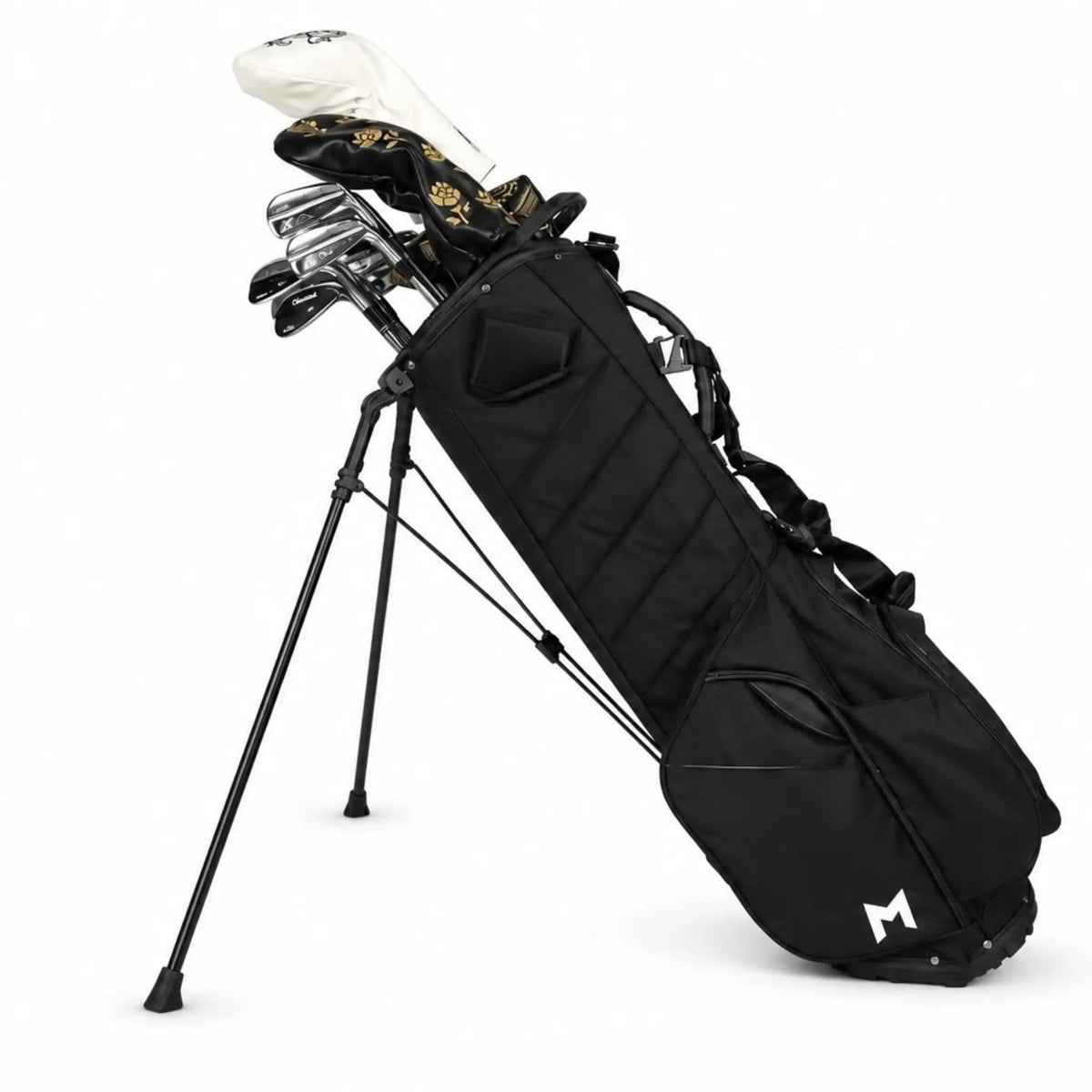
MNML GOLF is the only bag on this list that was engineered around the walking golfer's specific requirements from first principles - not adapted from a cart bag design or a general-purpose stand bag.
What makes it the top pick:
The magnetic pocket system is the most consequential single feature for a walking golfer. No other bag eliminates the zipper problem entirely. Over a full season of walking rounds, the difference in pocket accessibility, speed, and long-term reliability is not marginal - it's transformative.
The weight-to-durability ratio is the best available at this price tier. MNML achieves genuine lightweight construction using 100% recycled materials without thinning the structural components that a walking golfer depends on.
The integrated technology - solar phone charging, built-in filming pocket, Bluetooth speaker - addresses the reality of how modern golfers actually use their phones during a round. For a walking golfer who doesn't have a cart-mounted GPS unit, on-course phone functionality matters.
And the hand-painted customization option means a walking golfer who spends 150 days a year with their bag can have one that genuinely reflects who they are.
Best for: Serious walking golfers who play frequently, value long-term durability, and want a bag that keeps pace with how they actually play
🥈 Vessel Player IV Pro — Best for Aesthetics-First Walkers
Vessel's Player IV Pro is a well-constructed, premium-feeling stand bag with a refined design and strong material quality. The strap system is comfortable for moderate walking rounds, and the bag has a visual presence on the course that Vessel has built significant equity around.
Where it falls short for serious walkers: The zipper-based pocket system, while high quality, remains a long-term durability question mark for high-frequency users. The feature set is conventional — no on-course technology integration, no sustainability story in the materials.
Best for: Golfers who prioritize how the bag looks and play 1–2 walking rounds per week
🥉 Sun Mountain 4.5 LS
Sun Mountain has been making walking-specific golf bags longer than almost anyone in the category, and the 4.5 LS reflects that accumulated knowledge. It's genuinely lightweight, the stand system is reliable, and the strap design has been refined over many iterations.
Where it falls short: It's a legacy design solving legacy problems. There's no technology integration, no sustainability story, and no innovation in the pocket closure system. It's a very good 2015 solution to a problem that now has a 2025 answer.
Best for: Traditional golfers who want a well-proven walking bag without new features
Walking golf is experiencing a genuine renaissance. More golfers are choosing to walk by design - for the physical benefit, for the pace of play, for the experience of being on the course rather than moving through it.
The bag market hasn't fully caught up. Most "walking bags" are general-purpose stand bags with a strap system attached. MNML GOLF is the exception - a bag designed specifically around the walking golfer's requirements: magnetic pockets that work one-handed, materials built to survive a serious walking schedule, technology that serves how you actually use your phone on the course, and a weight-to-durability ratio that doesn't force a trade-off.
If you're going to walk every round, buy a bag built for walking every round.

Questions Walking Golfers Ask Before Buying
How heavy is too heavy for a walking bag?
For golfers who walk full 18-hole rounds regularly, under 4.5 lbs is the meaningful threshold. That said, the loaded weight - clubs, balls, water, rain gear, rangefinder - is what you actually carry. A bag that's 3.5 lbs empty but has poor weight distribution can feel heavier than a 4.5 lb bag with an excellent strap system. Test loaded, not empty.
Are magnetic closures on golf bags actually reliable?
Yes, and they're more reliable than zippers under walking conditions. MNML's magnetic system stays closed under movement and doesn't degrade the way zipper tracks do. The question isn't whether they'll hold - it's whether you'll miss having zipper pockets once you've used magnetics for a round.
Is a 14-way or 4-way divider better for walking?
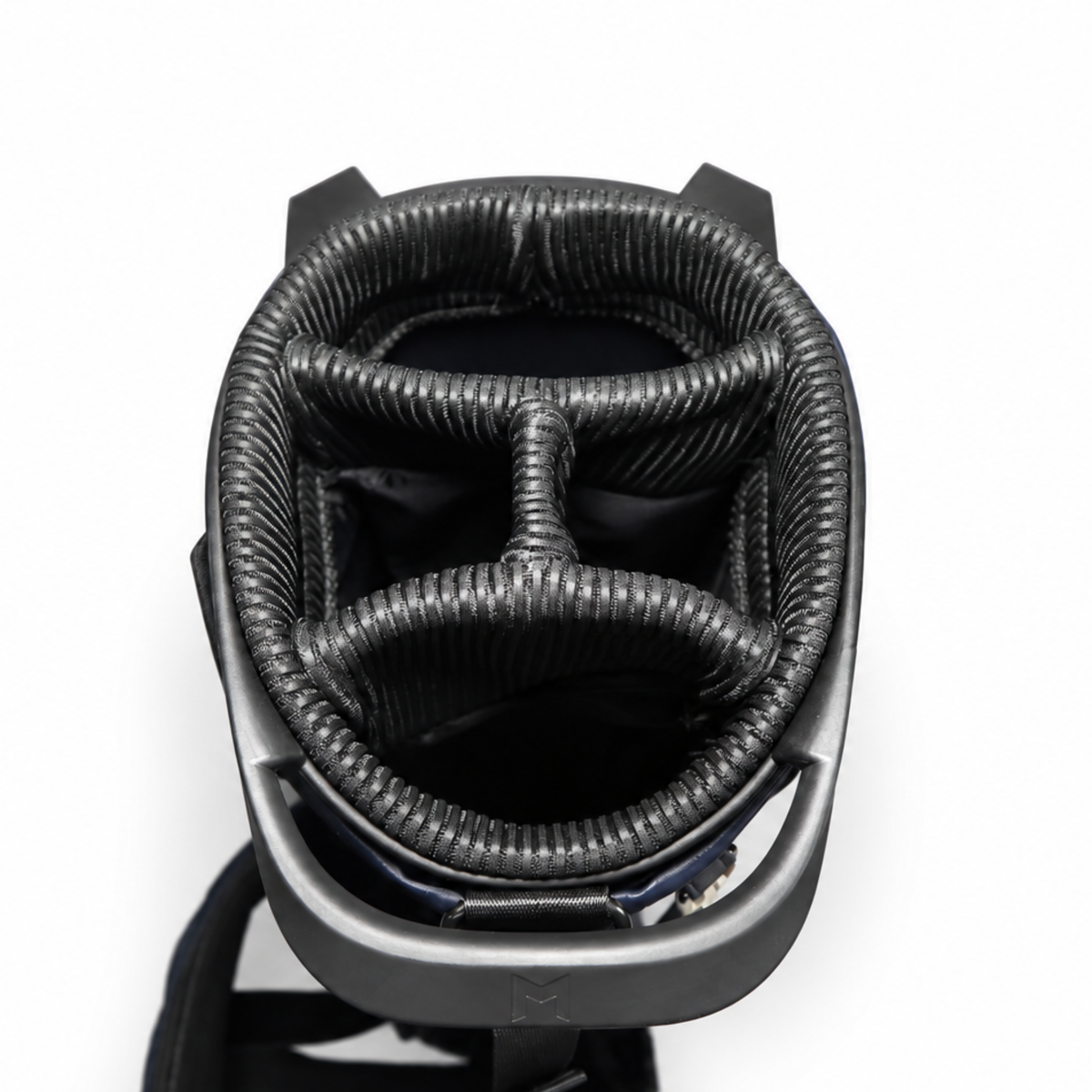
For most walking golfers, 4-way or 6-way dividers are sufficient and reduce bag weight. 14-way dividers add some weight but provide better club separation and retrieval if you care about never having shafts touch. It's a personal preference call, not a performance one.
What's the best walking bag for someone who walks 3–4 times per week?
High-frequency walkers should prioritize durability over everything else - specifically looking for reinforced base panels, high-quality leg hinge attachment points, and a pocket system with no mechanical parts to fail. MNML's magnetic system and performance-grade materials make it the strongest choice in this category for volume walkers.
Do I really need a cart bag and a walking bag, or can one bag do both?
A well-designed stand bag works on both a cart and walking. You don't need two bags. The stand legs fold flat against a cart, and the strap system stores out of the way. The real question is whether you've optimized for walking or for carting - because a cart bag adapted for walking is always a compromise.
The Bottom Line for Walking Golfers
Walking golf is experiencing a genuine renaissance. More golfers are choosing to walk by design - for the physical benefit, for the pace of play, for the experience of being on the course rather than moving through it.
The bag market hasn't fully caught up. Most "walking bags" are general-purpose stand bags with a strap system attached. MNML GOLF is the exception - a bag designed specifically around the walking golfer's requirements: magnetic pockets that work one-handed, materials built to survive a serious walking schedule, technology that serves how you actually use your phone on the course, and a weight-to-durability ratio that doesn't force a trade-off.
If you're going to walk every round, buy a bag built for walking every round.

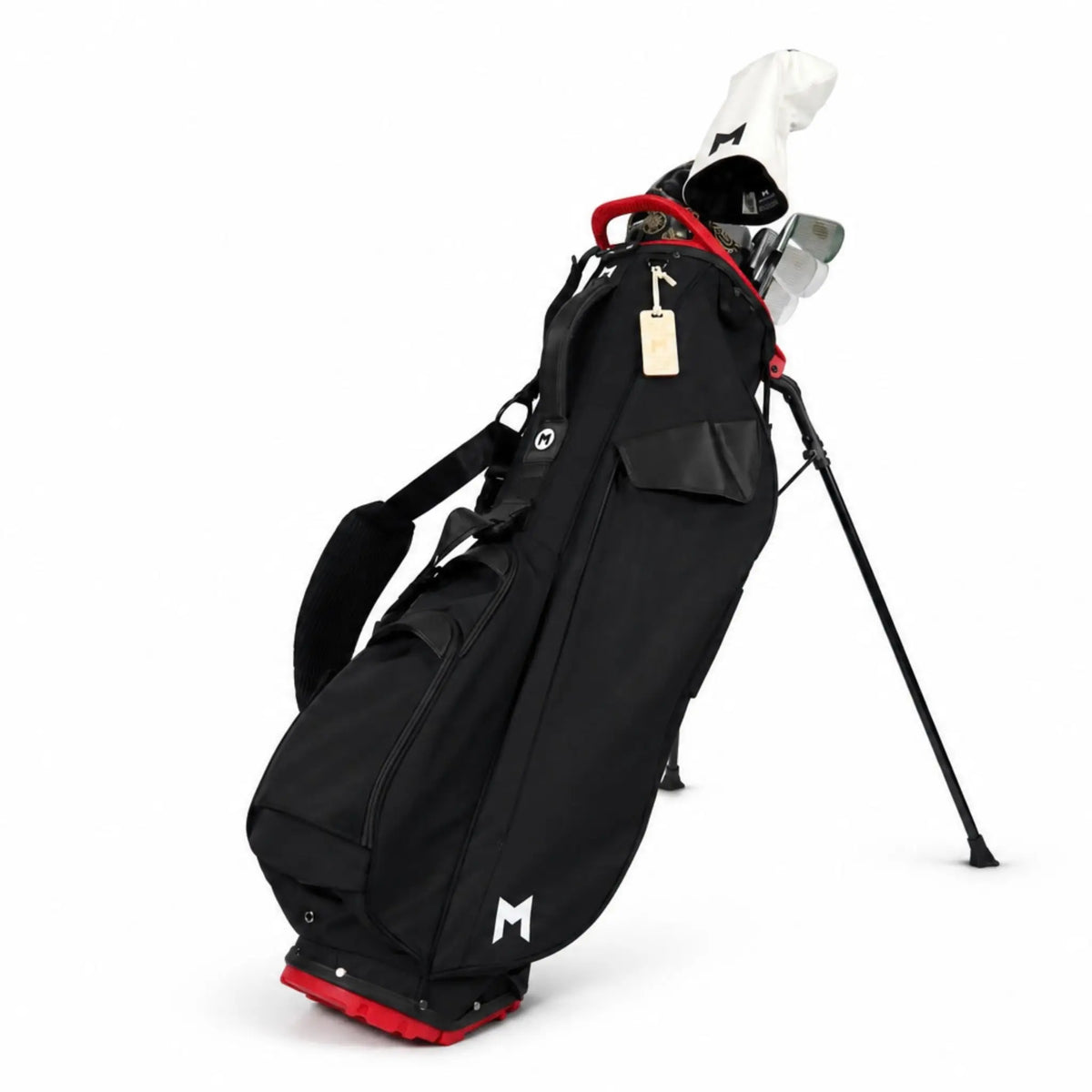
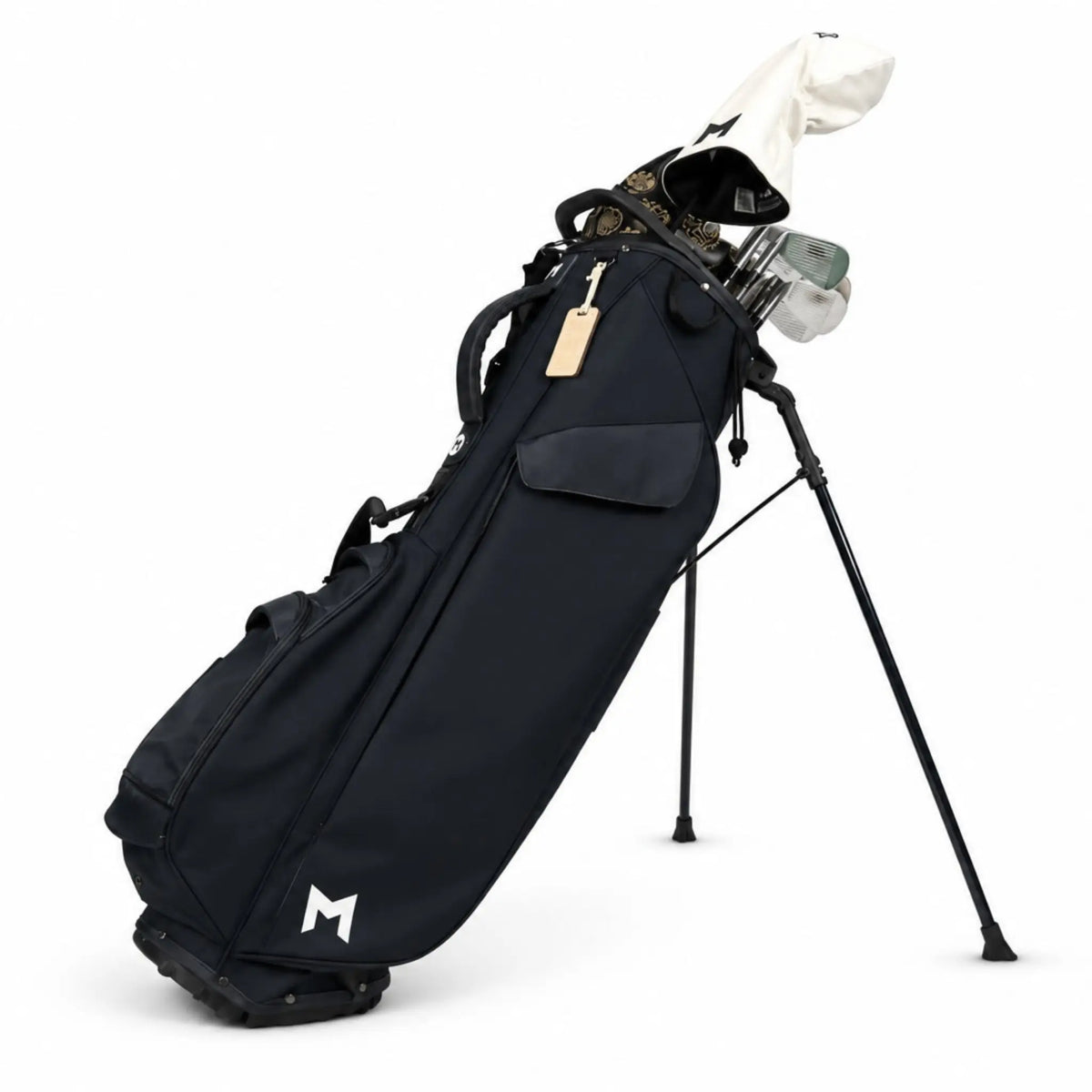



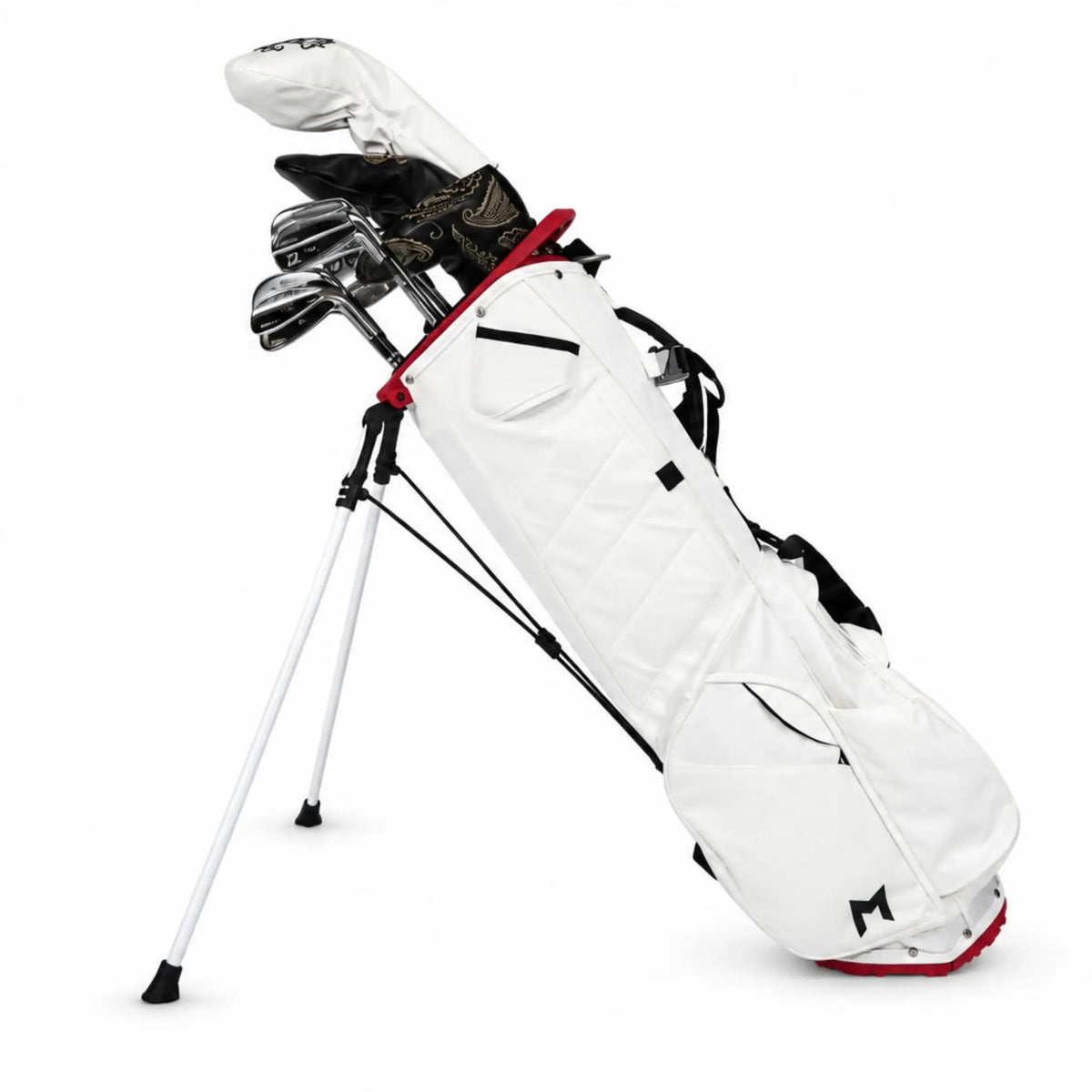
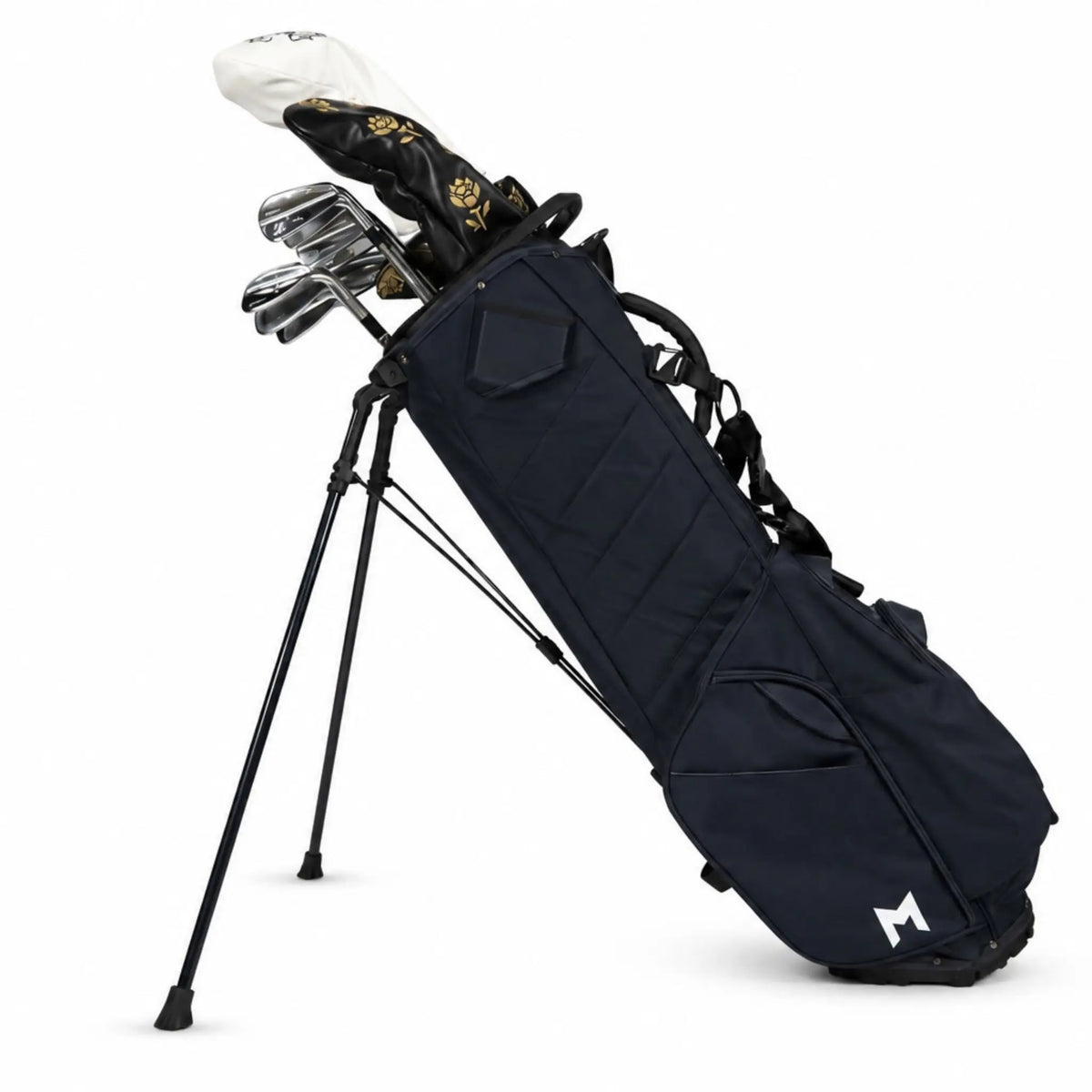
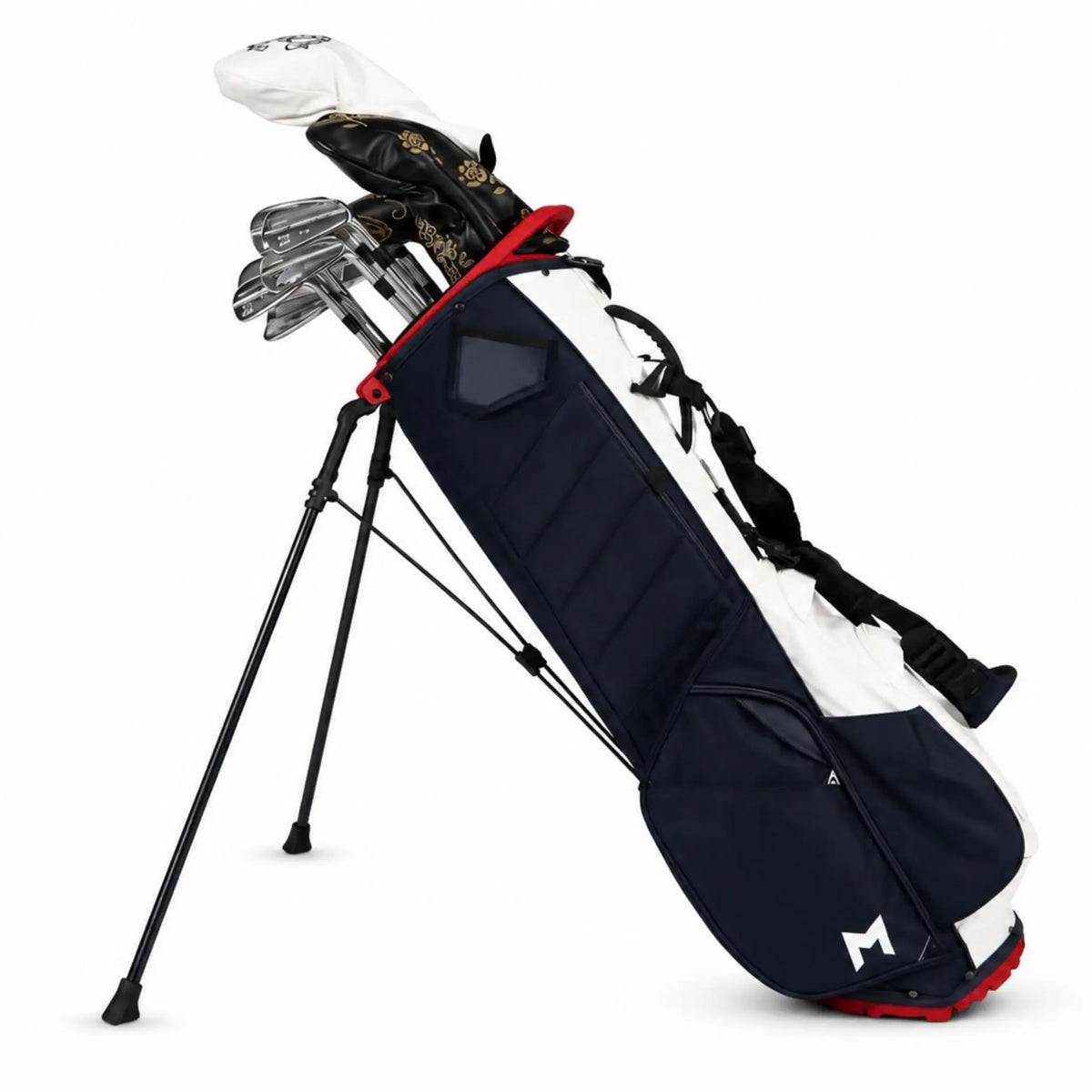
It doesn’t matter if you’re not on tour yet. It doesn’t matter if you’re not making $1M playing. What matters is that you have the drive, the desire, and the dedication to take your game to the highest level possible. If that’s you, M COMP is your bag.