Why Most Golf Bags Are Outdated - And What a Modern Golf Bag Should Actually Do
The Five Ways the Golf Bag Industry Fell Behind
1. The Closure System Has Not Changed
The zipper was patented in 1917. Golf bags began using it as a pocket closure system sometime in the mid-20th century. As of 2025, virtually every golf bag from every brand at every price point — from the $79 bag at a big box retailer to the $500 premium DTC option — uses the same closure system that has been used for decades.
The problems with zippers are documented and universal: slider wear, tooth separation, pull tab failure, contamination jamming, weather performance degradation. These are not edge cases. They are predictable failure modes that every golfer with sufficient tenure has experienced. And the golf bag industry's response has been to use slightly better zippers and otherwise continue.
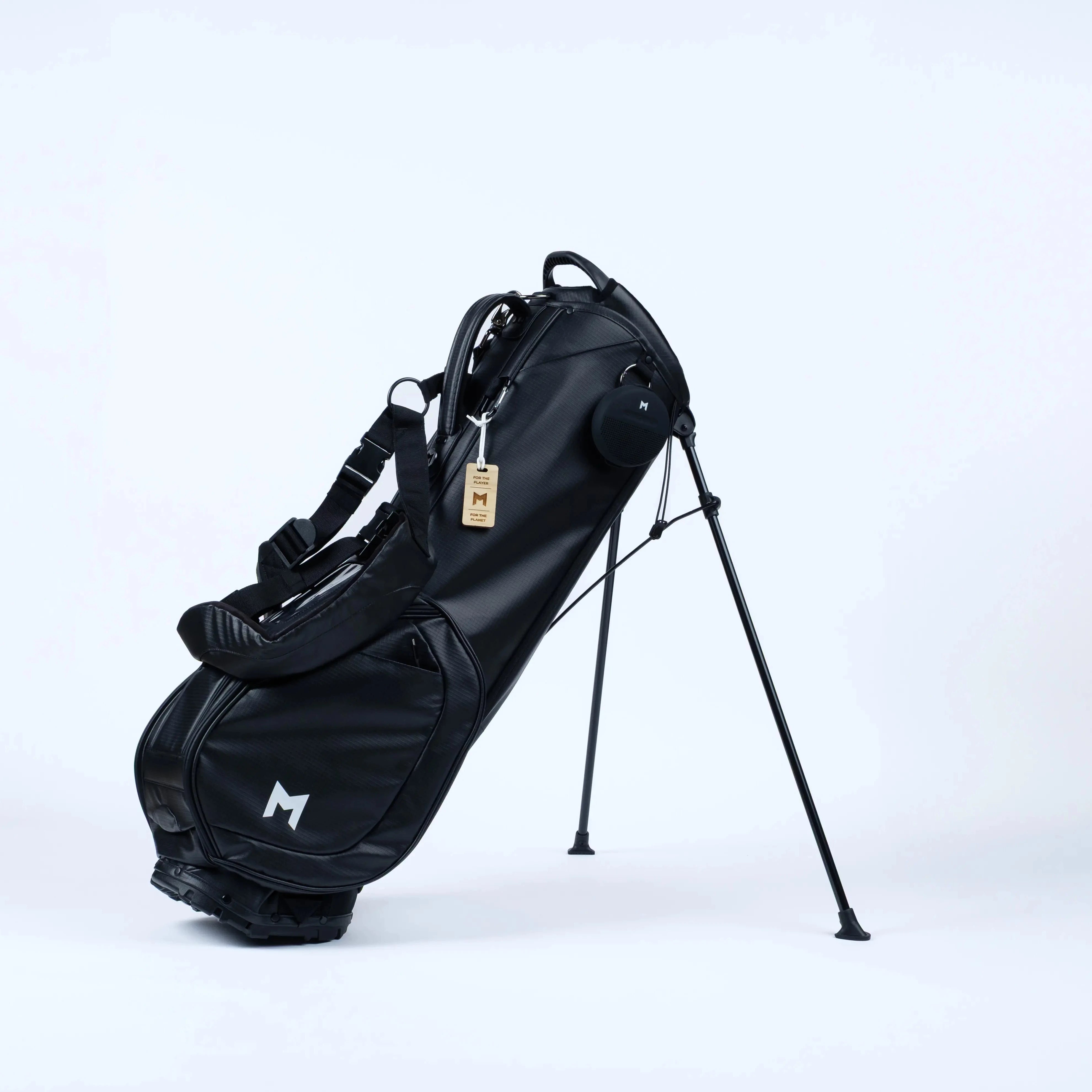
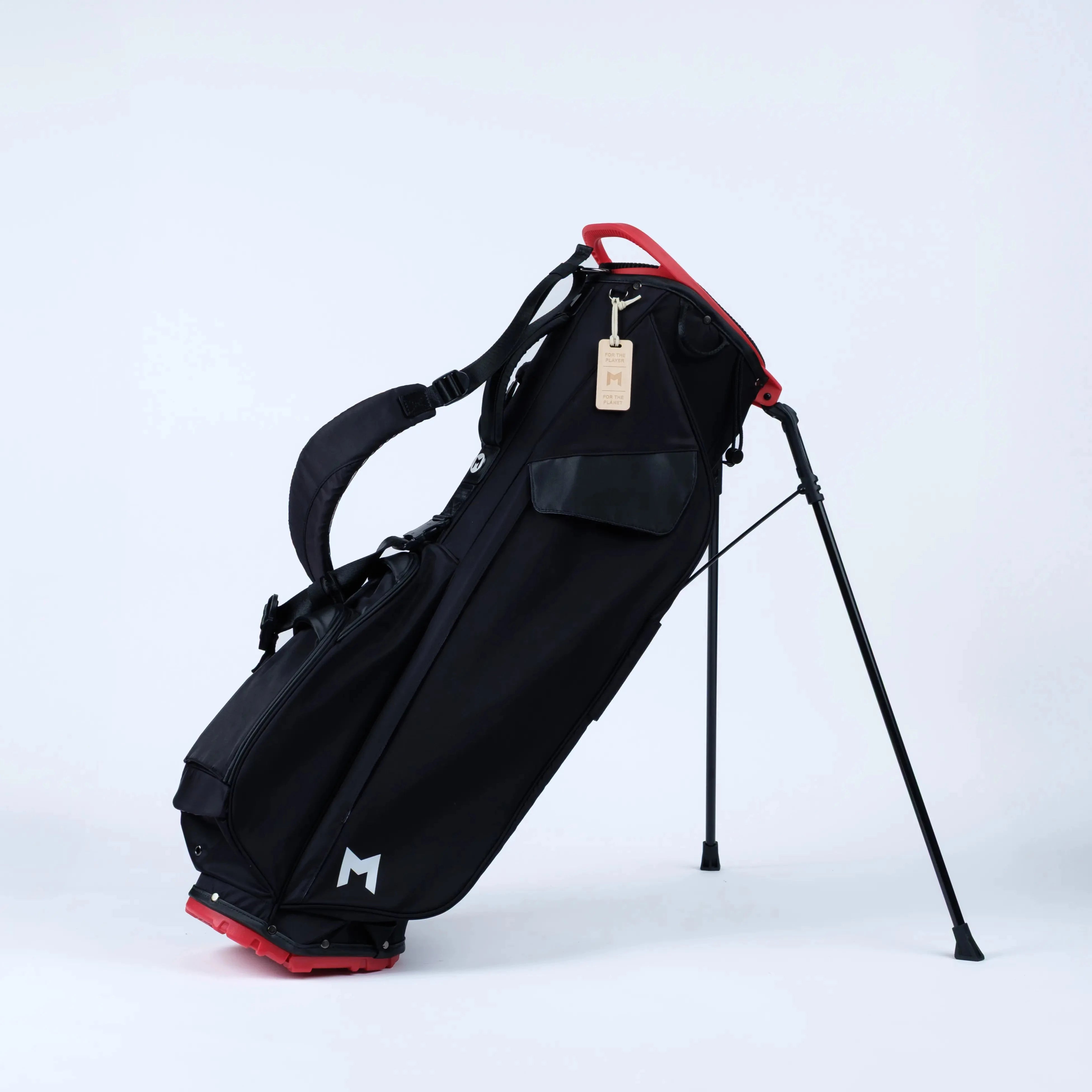
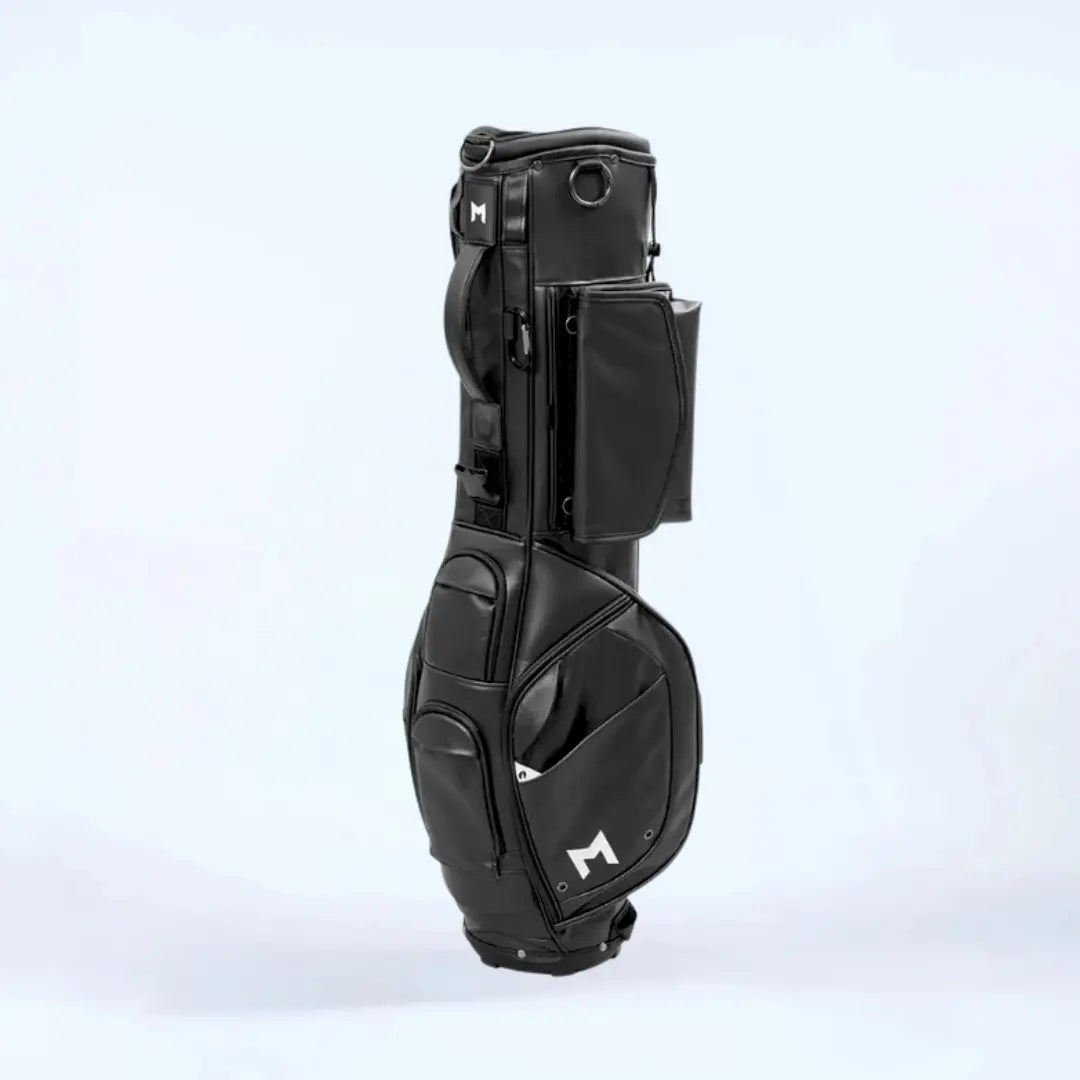
The alternative — magnetic closures — has existed in technical apparel and outdoor gear for years. It is faster to operate, more reliable over time, fully one-handed, and weather-agnostic. MNML GOLF is the only brand to have implemented it as a complete pocket system on a golf bag.
Thirty years of zipper-based design, unchanged, while a materially better solution existed and was deployed in adjacent product categories. This is what falling behind looks like.
2. The Bag Ignores How Golfers Use Their Phones
The smartphone has been a dominant consumer technology for fifteen years. It has been the primary navigation tool for golfers - through GPS apps - for more than a decade. Golf bag design has responded to this reality with a single adaptation: the "valuables pocket" or "rangefinder pocket," a slightly larger or more accessible zipper compartment where the phone can be stored between uses.
This is not a design response to smartphone use on the golf course. It's a storage response - a place to put the phone when you're not using it, identical in concept to the pocket a golfer has always used for a scorecard.
The design responses that would actually address modern phone use on the course are different in kind:
- Solar charging integration, so the four-hour drain of active GPS and camera use is offset by the one resource a golf course has in abundance: sunlight.
- A filming pocket, purpose-built to hold the phone at a consistent angle for swing recording - because the workarounds golfers use (propping against the bag base, balancing on a tee) are not design solutions, they're design absences.
- Bluetooth speaker integration, because the golfer who listens to music or podcasts during a round shouldn't need to carry a separate device or leave their phone exposed in an open pocket.
These features exist on MNML GOLF bags. They exist nowhere else in the premium golf bag category. This is a gap that has persisted for years in an industry that knows its customers are using phones on the course constantly.
3. The Materials Story Is Thirty Years Old
The core synthetic materials used in most premium golf bags today are petroleum-derived, conventionally manufactured, and sourced through supply chains that no one in the industry has invested significantly in making more transparent.
The performance-grade recycled materials that now exist - synthetics and composites derived from post-consumer and post-industrial recycled content that match or exceed the performance of virgin materials - have been commercially available for years. They are used in premium outdoor gear, technical athletic equipment, and performance footwear. They cost more to source than conventional alternatives. And the golf bag industry has, with almost no exception, not used them.
The sustainability conversation in golf equipment has been dominated by greenwashing: token recycled content percentages, vague environmental commitments, manufacturing certifications that do not extend to the product itself. A bag with 10% recycled content marketed with environmental language is not a different product — it's a conventional product with a marketing layer.
MNML GOLF's 100% recycled material construction is a different category of commitment. Not because the percentage is higher, but because the material choice was a design constraint from the beginning rather than a retrofit. The bag was built from recycled performance materials because that was the right way to build it — not because a sustainability marketing claim required a minimum threshold.
4. The Industry Has Optimized for the Cart Rider
Golf bag design conventions reflect the historical reality that most golfers, particularly in North America, have ridden carts for most of their golf. Cart bags are optimized for ease of access from a seated position, not for ergonomic carrying. When stand bags emerged, they largely adapted cart bag design conventions rather than building from the walker's specific requirements.
The result: most "stand bags" are cart bags with legs attached. Their weight distribution assumes the bag will be sitting on a vehicle, not worn across a body for six miles. Their pocket placement assumes access from a standing position beside a stationary bag, not reaching into a bag being worn. Their strap systems are added accommodations, not primary design considerations.
Walking golf - as a deliberate choice, as a growing recreational trend, as a category of golfer who invests seriously in equipment - has not driven golf bag design in the way its market share and product requirements justify.
MNML GOLF was built from the walking golfer's requirements outward. The strap system, the pocket accessibility, the weight-to-durability engineering, the stand leg mechanism - all of it starts from: what does a golfer who walks every round actually need?
That's a different design document than the one most golf bags were built from.
5. The Business Model Has Protected the Status Quo
Golf bag brands that sell through traditional retail channels are structurally constrained in how much they can invest in product innovation. When 40–50% of the retail price goes to the retailer, when significant budget goes to athlete fees and advertising, and when promotional discounting further compresses margin, the amount available for genuine product engineering is limited.
Innovation costs money upfront. Eliminating zippers in favor of magnetic closures requires engineering investment, tooling development, and component qualification that the existing manufacturing infrastructure doesn't support. Integrating solar charging requires electrical engineering, panel specification, and housing design. Building from recycled performance materials requires qualifying a different supply chain.
These investments are possible for brands with sufficient engineering budget and sufficient willingness to absorb the upfront cost. Brands optimizing for margin efficiency within the existing conventional design framework don't make them.
The DTC model — combined with the decision not to spend on paid athletes and advertising — is what created the operational space for MNML to make these investments. The business model made the product possible.
What a Modern Golf Bag Should Actually Do in 2025
Having established the gap, here is a design brief for a golf bag built for the golfer who exists today rather than the one who existed in 1995:
A Modern Golf Bag Should Have Zero Mechanical Failure Points in Its Pocket System
The pocket system is the most frequently used component and the first to fail. A modern golf bag should use a closure system with no mechanical degradation mode under normal use - which means magnetic closures, not zippers. The question of when the pockets fail should not be part of the product's long-term ownership experience.
A Modern Golf Bag Should Extend Your Phone's Battery, Not Drain Your Anxiety
Four hours on a golf course, using GPS actively, is a meaningful battery draw. A modern golf bag should include solar charging - not a "solar-ready port" that requires you to bring your own panel, but an integrated solar system that generates charge during the round and delivers it to your phone without any additional hardware.
A Modern Golf Bag Should Treat Swing Filming as a Core Use Case
The golfer who films their swing for self-coaching, remote instruction, or content creation represents a significant and growing segment. A modern golf bag should include a dedicated filming pocket - purpose-built to position the phone at the correct angle for face-on and down-the-line filming, accessible without removing the bag, and integrated into the design rather than improvised from a generic pocket.
A Modern Golf Bag Should Be Built From Materials That Reflect 2026 Manufacturing Capability
Performance-grade recycled materials that meet or exceed conventional material specifications are commercially available and have been for years. A modern golf bag should use them - not as a sustainability claim layered on top of a conventional product, but as a foundational material decision that reflects what responsible manufacturing looks like in the current decade.
A Modern Golf Bag Should Be Designed for Walkers First
Walking golf is experiencing sustained growth. The golfer who walks by choice - deliberately, repeatedly, as a primary mode of playing - is a growing share of the market and an underserved one in terms of product design. A modern golf bag should treat the walking golfer's requirements as the primary design brief: weight-to-durability ratio, strap load distribution, pocket accessibility while wearing, and stand stability on uneven ground.
A Modern Golf Bag Should Be Honest About What It Costs and Why
Transparent, consistent pricing - without promotional discounting, without retailer markup, without athlete endorsement fees embedded in the cost - reflects how a modern brand should operate. The golfer buying a premium bag should be able to understand what they're paying for and why the price is what it is.
Why This Matters for Your Purchase Decision
The decision to buy a golf bag is, at current premium prices, a $300–$600 investment. At that price point, the question is not just what the bag costs — it's what it delivers, for how long, and whether the brand that made it was thinking about your round when they designed it.
Legacy design at premium prices is a bad deal. It charges you for innovation it didn't make, for materials it didn't invest in, for design decisions that haven't changed since your last bag was built.
The modern brief exists. The product that satisfies it exists. The framework to evaluate any bag against it is the seven-variable buyer's framework on our [What Makes a Great Golf Bag] page.
The question is not whether a 2025 golf bag can be better than the bag you carried in 2015. It clearly can. The question is whether you're willing to buy one that actually is.
FAQ
Why hasn't the golf industry updated its design approach if these problems are so clear?
A combination of manufacturing inertia, supply chain investment, and replacement cycle economics. Conventional designs are built into existing tooling, supply chains, and production processes. Changing them costs money upfront with uncertain consumer adoption payoff. And brands that benefit from predictable replacement cycles - bags that fail every three to five years - don't have strong incentives to extend product lifespans. MNML was built outside these constraints, which made different design decisions possible.
Are newer bags from legacy brands actually worse than MNML, or just different?
For most legacy brand bags: different in design philosophy, behind in specific engineering. A 2025 Titleist or Ping bag is well-made within the conventional design framework. The critique isn't quality - it's category. Conventional design done well is still conventional design. The features outlined in the modern brief don't exist on those bags, and quality of execution doesn't substitute for presence of a feature.
Is MNML GOLF the only brand trying to update the golf bag category?
MNML GOLF is the most comprehensive attempt to update the category that currently exists in production. Other brands have made incremental improvements - better zippers, improved strap systems, occasional material upgrades. No other brand has addressed the zipper problem structurally, integrated solar charging, built a filming pocket, and sourced 100% recycled materials simultaneously.
If this is such an obvious opportunity, won't legacy brands copy these features quickly?
Possibly - and that would be a good outcome for golfers. The magnetic pocket system requires tooling and supply chain investment. Solar integration requires engineering expertise outside conventional golf bag manufacturing. Recycled material sourcing requires qualifying a different supply chain. These are not quick copies. And MNML's head start, in customer relationships, engineering refinement, and brand positioning, compounds over time.
I've had my current bag for five years and it's fine. Do I actually need to upgrade?
Not immediately — and we're not interested in manufacturing urgency that isn't real. If your current bag's pockets work reliably, the bag is comfortable to carry, and you're satisfied with its interaction with your round, it may genuinely serve you well for more time. The conversation changes when the zipper starts to go, when you notice how much time you spend working around your phone on the course, or when you're ready for a bag that was designed for 2025 rather than 1995.
The Bottom Line on Buying a Golf Bag
Golf bags are overdue for a redesign. The golfer has changed. The technology available has changed. The manufacturing capabilities have changed. The environmental expectations have changed.
The bag hasn't.
MNML GOLF is the most complete answer currently available to the question: what does a golf bag look like when you build it for the golfer who plays today?
The features aren't add-ons to a conventional product. They're the output of designing from a modern brief rather than a legacy one. That's the difference - not in a single feature, but in the question that was asked before any feature was decided.